
Colon Cancer Prevention: What You Can Do to Lower Your Risk
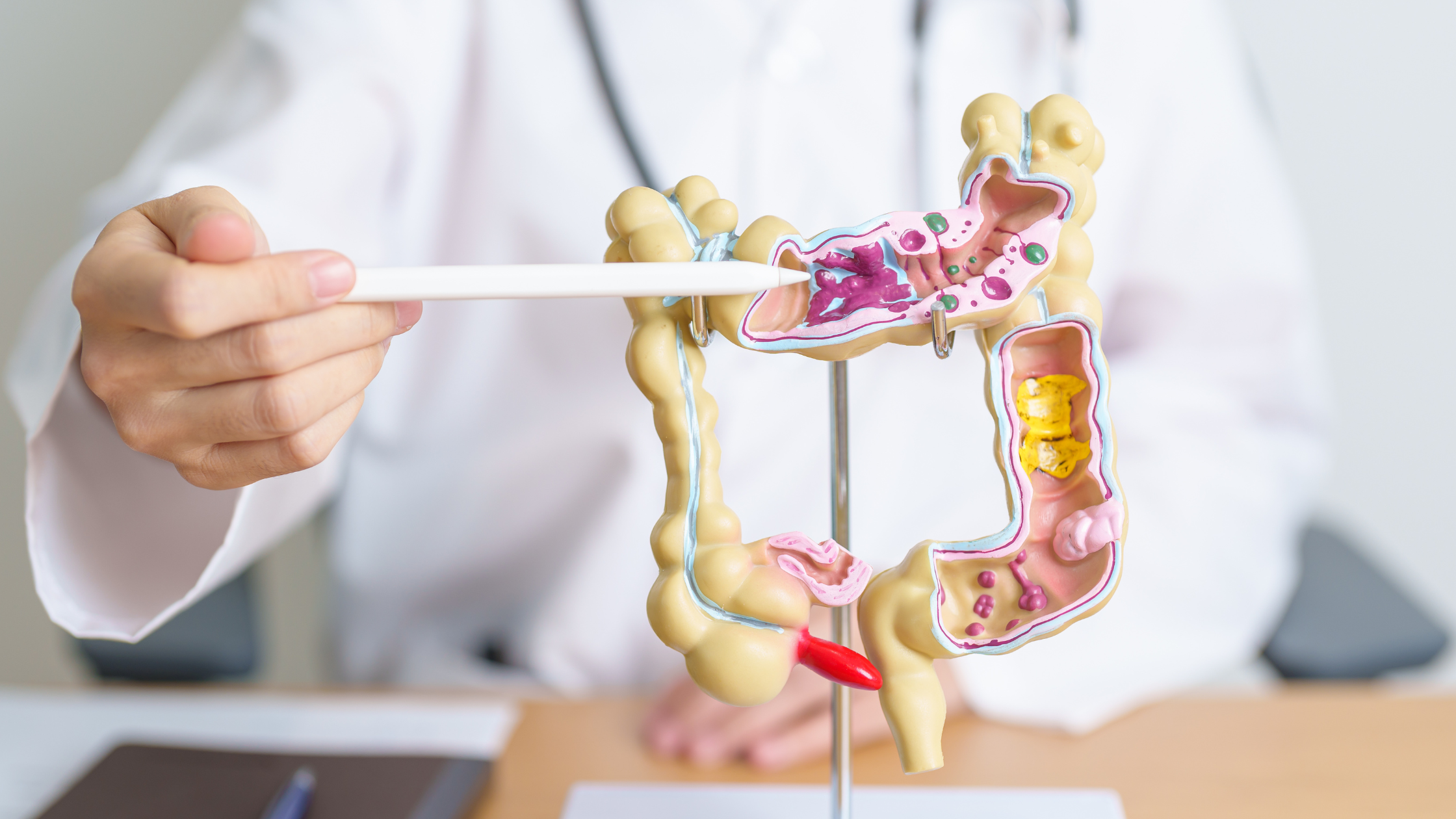
When most people think about colon cancer, they think about screening. And while screening is incredibly important, preventing colon cancer starts long before your first colonoscopy.
The reality is that colon cancer is becoming more common in younger adults, and while we can't change our genetics, there are many environmental and lifestyle factors that influence our risk. The good news is that some of these factors are within our control.
At Vida Family Medicine, we believe prevention is about more than one test or one healthy habit. It's about creating sustainable changes that support your overall health for years to come.
Why Is Colon Cancer Becoming More Common?
In recent years, we've seen a concerning increase in colorectal cancer diagnoses among adults under the age of 50. While inherited genetic conditions still play an important role for some people, genetics alone don't explain this trend.
Researchers believe that changes in our environmental exposures and lifestyle are major contributors. Diet, physical activity, metabolic health, and inflammation all appear to influence colon cancer risk. There is some suggestive evidence that exposure to pollutants, endocrine-disrupting chemicals, and microplastics may be involved in increasing colon cancer risk, but research is still inconclusive.
This doesn't mean one food or one habit causes cancer on its own. Instead, it's the overall pattern of our daily choices that matters most.
Know Your Personal Risk
Some people have a higher-than-average risk of developing colon cancer.
Your risk increases if you have:
A first-degree relative (parent, sibling, or child) with colorectal cancer
Multiple close family members with colorectal cancer
Certain inherited genetic syndromes
Inflammatory bowel diseases such as Crohn's disease or ulcerative colitis
Age is also an important risk factor, which is why routine screening now begins at age 45 for most adults.
If you have a strong family history, your healthcare provider may recommend starting screening even earlier.
Lifestyle Habits That Can Help Lower Your Risk
Although we can't change our genetics, we can reduce many of the lifestyle factors associated with colon cancer.
Healthy habits include:
Eating more fiber from fruits, vegetables, legumes, and whole grains
Limiting processed meats
Eating red meat in moderation rather than making it an everyday food
Staying physically active
Avoiding alcohol
Avoiding tobacco products
Maintaining overall metabolic health
These habits help reduce chronic inflammation, improve insulin regulation, and support a healthier gut microbiome, all of which play a role in long-term colon health.
Remember, prevention isn't about being perfect. It's about consistently making choices that support your health over time.
Don't Wait for Symptoms
One of the biggest misconceptions about colon cancer is that you'll know if something is wrong.
Unfortunately, many people with early colon cancer have no symptoms at all. That's exactly why routine screening is so valuable.
However, you should contact your healthcare provider if you notice:
Blood in your stool or on the toilet paper
Unexplained iron deficiency anemia
Unintentional weight loss
Persistent changes in stool size or shape, such as consistently pencil-thin stools
These symptoms don't automatically mean you have colon cancer, but they should always be evaluated.
Screening Saves Lives
Colon cancer is one of the few cancers that we can often prevent, not just detect.
During a colonoscopy, doctors can identify and remove precancerous polyps before they ever become cancer. That's why colonoscopy remains the gold standard for screening.
For people at average risk, there are also stool-based and blood sample screening tests that may be appropriate. However, these are less sensitive at detecting colon cancer than colonoscopy. If one of these tests is positive, a colonoscopy is needed to confirm the diagnosis.
Ultimately, the best screening test is the one you actually complete.
If you're nervous about the preparation or have concerns about cost or the colonoscopy procedure itself, talk with your healthcare provider. There are often options that can make the process easier than you expect.
Final Thoughts
Colon cancer prevention isn't about living in fear or eliminating every food you enjoy. It's about understanding your risk, making sustainable lifestyle choices, and getting screened at the right time.
Small, consistent habits can make a meaningful difference in your long-term health. Combined with appropriate screening, they offer one of the best opportunities we have to prevent colon cancer before it starts.
Ready to take a proactive approach to your health?
Whether you're due for screening, have a family history of colon cancer, or simply want to lower your risk, the team at Vida Family Medicine is here to help.
Schedule an appointment today to create a prevention plan that's personalized for you.
